


 Soccer Climb
 App Login



Little-known fact: Do you know the best time to introduce soccer fundamentals? Before age 4—when toddlers are naturally developing balance, coordination, and social awareness. Surprised? You’re not alone. At Avila Soccer, we’ve seen firsthand how early exposure through play can spark a love for the game that lasts a lifetime—even for soccer ages 2-3.
But let’s be real: keeping a toddler’s attention for more than five minutes? Not easy. That’s why this guide is your go-to playbook—designed for parents, coaches, and early childhood trainers who need structured, flexible, and fun soccer-based activities that actually work for this age group.
Why Soccer for Toddlers Is More Than Just “Kicking a Ball”
At soccer ages 2-3, it’s not about tactical systems or positional play—it’s about introducing movement, social skills, and ball familiarity in the simplest ways possible. Think of it as guided chaos with a purpose.
- Attention spans? Around 3–5 minutes.
- Motor skills? Still developing.
- Listening skills? Selective at best.
- But fun? That’s the magic ingredient.
Table: What Toddlers Learn Through Soccer Games?
| Game Type | Key Skill Developed | Why It Matters Early |
| Stop/Go Activities | Listening & Focus | Builds attention span |
| Dribbling Variations | Ball Control & Movement | Supports coordination |
| Kicking & Passing Games | Lower Body Strength | Develops gross motor |
| Follow-Along Play | Imitation & Awareness | Encourages teamwork |
| Target Practice | Aim & Accuracy | Prepares for scoring |
10 Easy-to-Run Soccer Games Toddlers Love
Here’s your ready-to-go activity list. Use 3–4 per 30-minute session and rotate as needed.
1. Red Light, Green Light (with the Ball)
How to Run: Call out “green light” to let kids dribble, “red light” to stop.
Skill Focus: Listening, starting/stopping, spatial control.
Tip: Add “yellow light” for slow dribble!
2. Animal Dribble Parade
How to Run: Ask toddlers to dribble while moving like different animals (frog hops, bear crawl, penguin walk).
Skill Focus: Balance, imagination, dribbling while moving in unusual ways.
3. Cone Knockdown
How to Run: Set up soft cones; toddlers aim and kick their ball to knock them over.
Skill Focus: Kicking accuracy, leg strength.
4. Ball Catch & Kick
How to Run: Roll a ball gently toward the child—they catch or stop it, then kick it back.
Skill Focus: Timing, reaction, coordination.
5. Follow the Leader (with Ball)
How to Run: Coach or parent leads the dribble path; toddlers follow and copy.
Skill Focus: Awareness, ball movement, control.
Try this twist: Add mini obstacles for variety!
6. Ball Pass to Parent / Coach
How to Run: Toddlers practice kicking the ball gently to a stationary partner.
Skill Focus: Short passing, target awareness.
7. Freeze Dance with Ball
How to Run: Play music; toddlers dribble. When music stops—they freeze!
Skill Focus: Rhythm, start-stop control, fun movement.
8. Tunnel Game
How to Run: Parents create “tunnels” with legs; toddlers dribble under one, then the next.
Skill Focus: Dribbling, low-body control, confidence.
Cliffhanger: What happens when you turn the tunnel into a moving obstacle course?
9. Shoot into Big Target / Laundry Basket
How to Run: Use large targets like pop-up goals or baskets. Toddlers aim and shoot.
Skill Focus: Shooting power, direction, satisfaction of scoring.
10. Dribble Relay
How to Run: Simple 5-10 ft dribble races. Use cones as markers.
Skill Focus: Speed, ball control under time pressure.
Cliffhanger: What if we told you this game sets the stage for real match intensity… years ahead?
Coaching Tips: What Actually Works
- Keep sessions short—5–8 minutes per activity.
- Rotate often to avoid boredom or meltdowns.
- Always adapt to indoor/outdoor settings.
- Use small, lightweight gear:
- Ball: Size 3 or foam ball
- Cones: Soft or dome cones
- Goals: Pop-up or laundry baskets work great
Planning a Weekly Soccer Session for Toddlers
Need a micro-plan? Here’s a sample 30-minute class format:
- Warm-up (5 mins) – Freeze Dance with Ball
- Core Game 1 (8 mins) – Animal Dribble Parade
- Core Game 2 (8 mins) – Cone Knockdown
- Cool Down (5-7 mins) – Tunnel Game or Ball Catch & Kick
This structure keeps energy high while introducing foundational motor and ball skills through structured play.
How Avila Soccer Brings Structure to Toddler Soccer?
At Avila Soccer, our toddler programs for soccer ages 2-3 Austin blend movement science, skill-building, and play-based learning. Our indoor training spaces ensure year-round sessions—no weather cancellations, no stress. We focus on age-appropriate curriculum and micro-drills led by trained youth coaches. The goal? Create early ball familiarity without pressure.
Final Thought & What You Can Do Next
Whether you’re a parent just introducing the ball, or a coach planning your next toddler class—these 10 games are your easy, proven playbook for soccer ages 2-3. Add variety, keep it short, and stay playful.
Want to explore how we run structured toddler soccer programs indoors? Visit us at Avila Soccer—your child’s first step to technical development can start today, without even realizing they’re “training.”
Let us help you build your toddler’s love for soccer—one kick, giggle, and goal at a time.
Latest Posts

Which Soccer Birthday Party Venues Provide Professional Coaching Sessions?
Overview: Finding soccer birthday party venues that feature licensed coaches...
Read More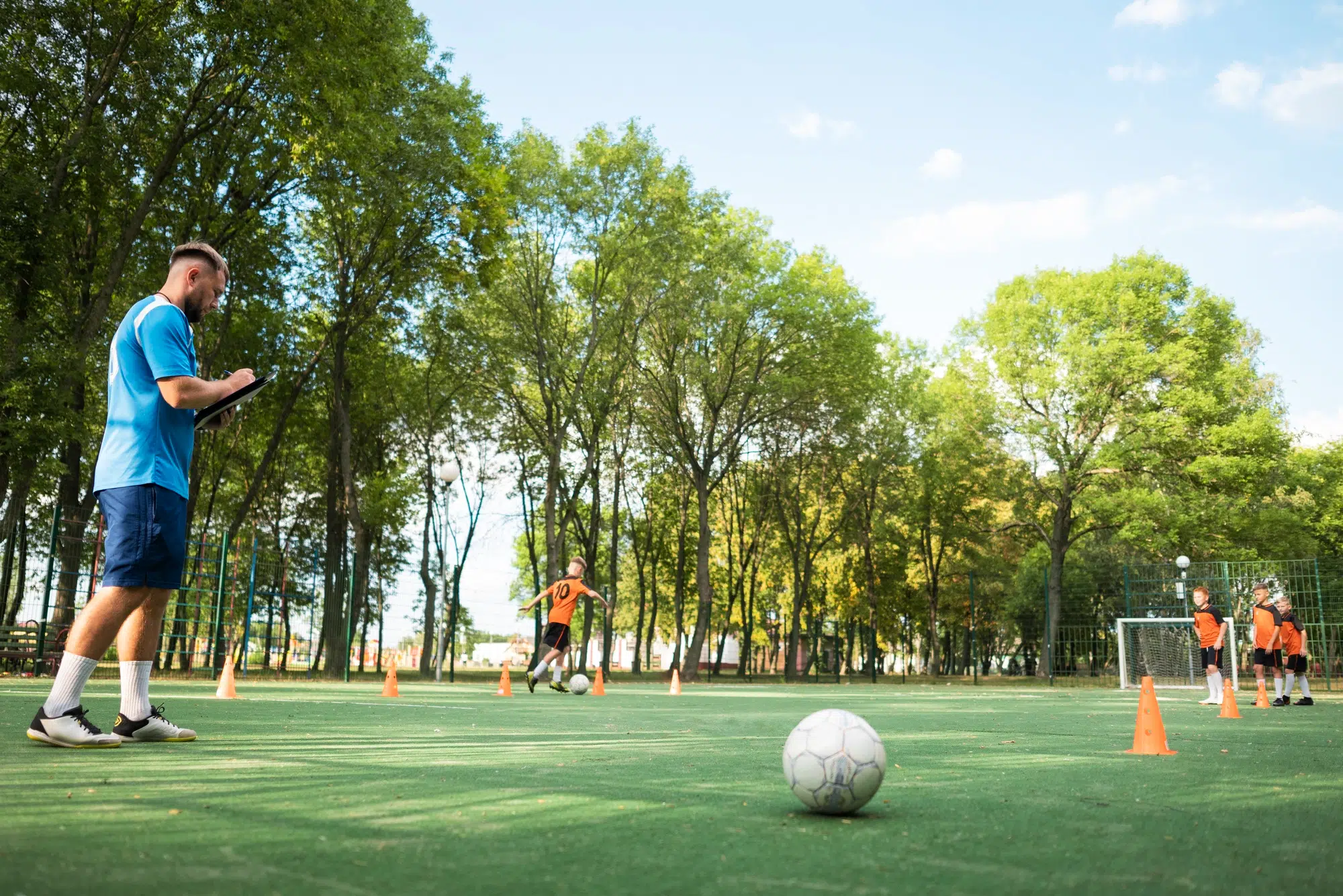
Can Steiner Ranch Outdoor Soccer Fields Handle Team Practices and Individual Training?
Overview:This blog explains how Steiner Ranch outdoor soccer fields support...
Read More
Can a Soccer Party Venue in Steiner Ranch Handle Large Groups of Kids?
Overview: Soccer party venues in Steiner Ranch manage large groups...
Read More
How Do Steiner Ranch Soccer Party Venues Compare to Austin’s Other Kids’ Birthday Options?
Overview: This blog compares soccer-focused birthday venues in Steiner Ranch...
Read More